About the Journal
UOUsj is an international scientific journal published by UNIVERSITY of Universities. It was born in 2021 as an international collaboration of schools of architecture, sharing their intercultural interests.
Every issue concentrates on a specific theme suggested by one of the universities involved in this research project. Themes encourage a focus on pedagogy in architecture and are announced through a call made at least six months in advance of publication.
The journal is biannual (June and December), double-blind peer reviewed, digital, open access, and indexed. It publishes original articles in English, accompanied by abstracts in the authors' mother tongues.
Current Issue
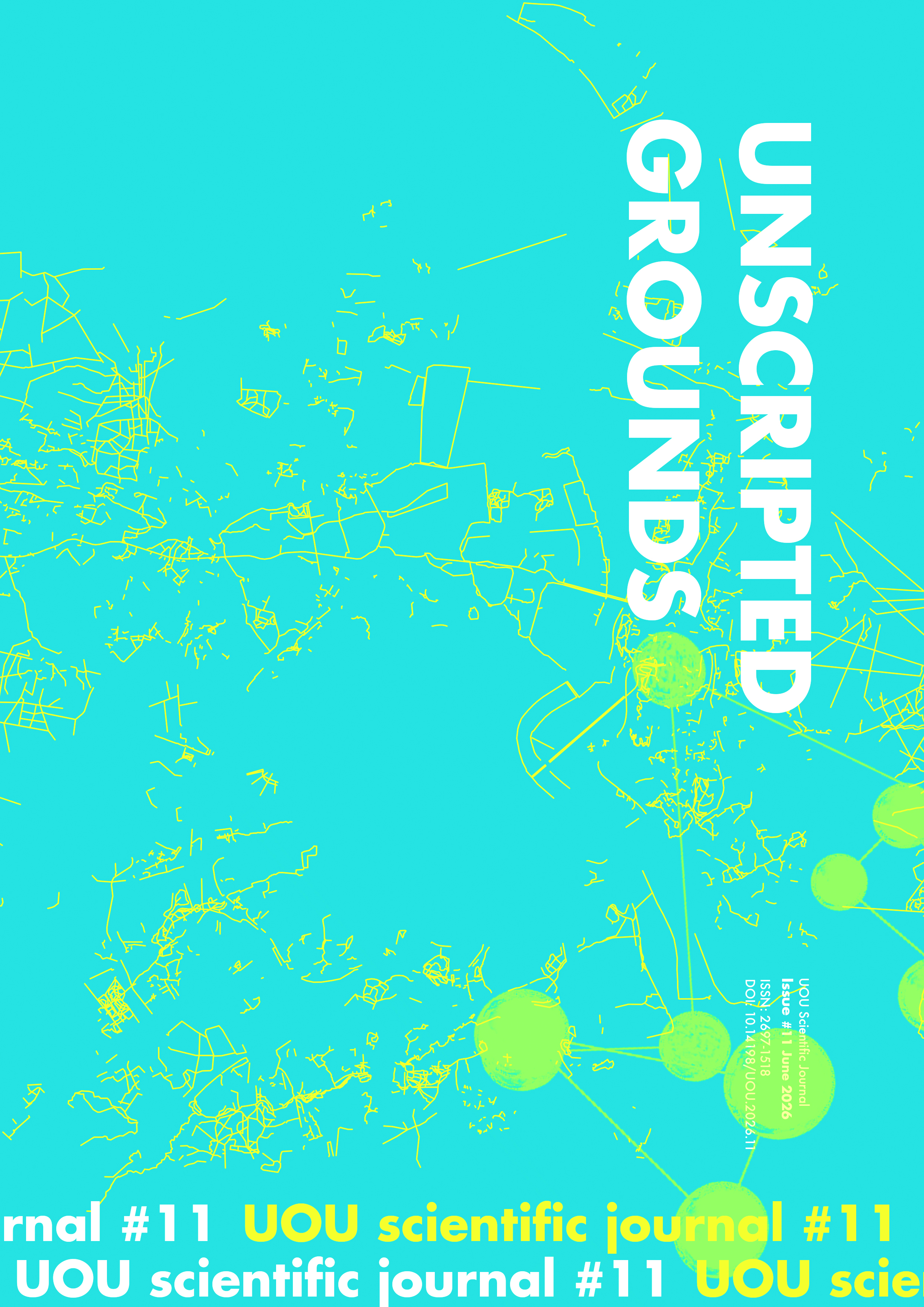
No. 11 (2026): UNSCRIPTED GROUNDS
Guest Editor:
Hocine Aliouane-Shaw / ENSAP Bordeaux, France
Hocine Aliouane-Shaw / ENSAP Bordeaux, France
Situations, Practices and Shared Stewardship at the Margins of City-Making
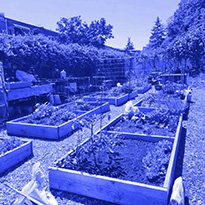
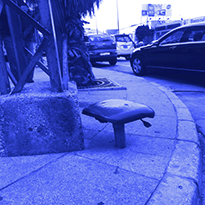
This issue explores unscripted grounds: environments left open, undefined or held in suspension that often occupy blind spots in conventional architectural practice and spatial planning. These are spaces of various scales that have slipped out of formal and institutional control. Rather than disappearing altogether, they remain hidden in plain sight; and as former functions wane, informal and unforeseen ones begin to emerge. Drawing on Ignasi de Solà-Morales’s notion of the "terrain vague" and related debates on liminality, in-between conditions and vacancy, unscripted grounds also refer to places where scripts of ownership, use and value are loosened and not yet stabilised. This issue asks how such grounds can be approached as situations where new ways of acting and living together may be rehearsed – and learned from – in order to inform more transversal and bottom-up approaches to architectural practice and urban planning. We are particularly interested in contributions that treat these engagements as forms of inquiry – whether research, pedagogy or practice – and that reflect explicitly on their methods, positionalities and, where relevant, the ethical questions raised by participatory, collaborative and co-produced approaches.
Published:
12.06.2026